
DepEd Guidelines: Private Schools Shift to Blended Learning Amid 2026 Energy Crisis
The Department of Education (DepEd) has issued a new directive allowing private schools to shift to blended learning without the need for prior approval.
This move aims to help educational institutions manage soaring electricity and operational costs during the current national energy emergency.
The policy was formalized through DepEd Memorandum No. 024, s. 2026, following the declaration of a State of National Energy Emergency under Executive Order No. 110, s. 2026.
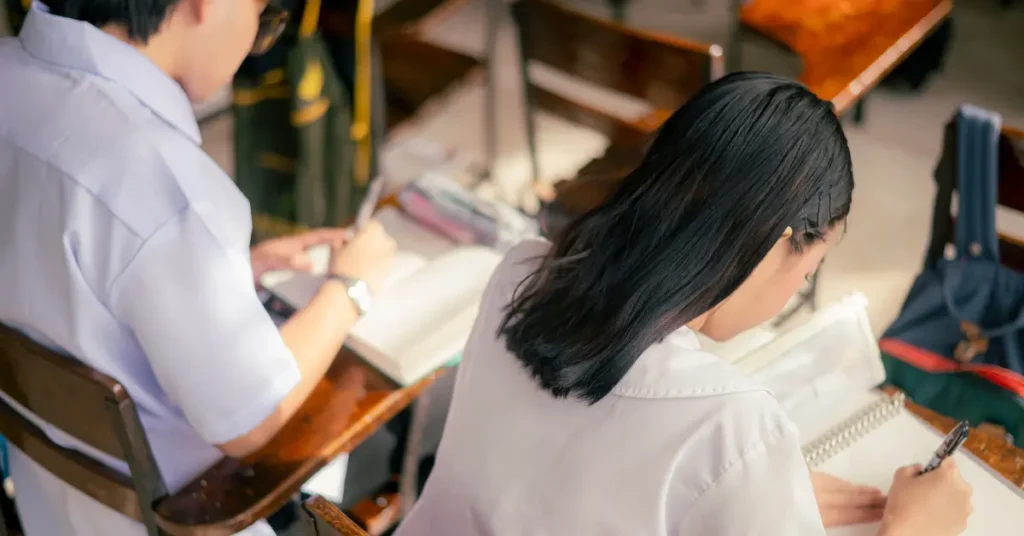
Private Schools Given Flexibility in Class Delivery
Under the new guidelines, private schools have the option to:
- Continue with five days of face-to-face classes, or
- Implement blended learning arrangements (a mix of in-person and remote sessions).
Education Secretary Sonny Angara noted in a report by GMA News that this flexibility is vital for schools facing higher utility bills and a potential 20% cut to operational budgets.
Related: CHED Allows 100% Online Classes for Colleges Amid Fuel Crisis
No Prior Approval Required
In a significant departure from previous rules, private schools no longer need to wait for a permit to shift. However, they must comply with the following:
- Notify their Schools Division Office (SDO) at least five days before starting the new schedule.
- Submit their revised class schedules for official monitoring.
- Guarantee that learning standards and student outcomes remain uncompromised.
Limits on Remote Learning
To ensure that student development remains on track, DepEd has set strict weekly limits on how many days can be dedicated to remote or online sessions:
| Grade Level | Remote Learning Limit |
|---|---|
| Kindergarten to Grade 6 | Maximum of 1 day per week |
| Grades 7 to 10 | Maximum of 2 days per week |
| Senior High School | Maximum of 3 days per week |
Reason for the Policy
The decision is a strategic response to the 2026 global oil crisis and domestic energy shortages. By allowing this shift, the government aims to:
- Help schools reduce power consumption during peak hours.
- Provide financial relief for institutions struggling with rising overhead.
- Ensure the continuity of education despite the national emergency.
What Students and Parents Should Know
According to reports from ABS-CBN News, this shift is not mandatory. Parents should stay in close contact with their respective schools, as each institution will decide whether to adopt blended learning based on its specific financial situation and capacity.